
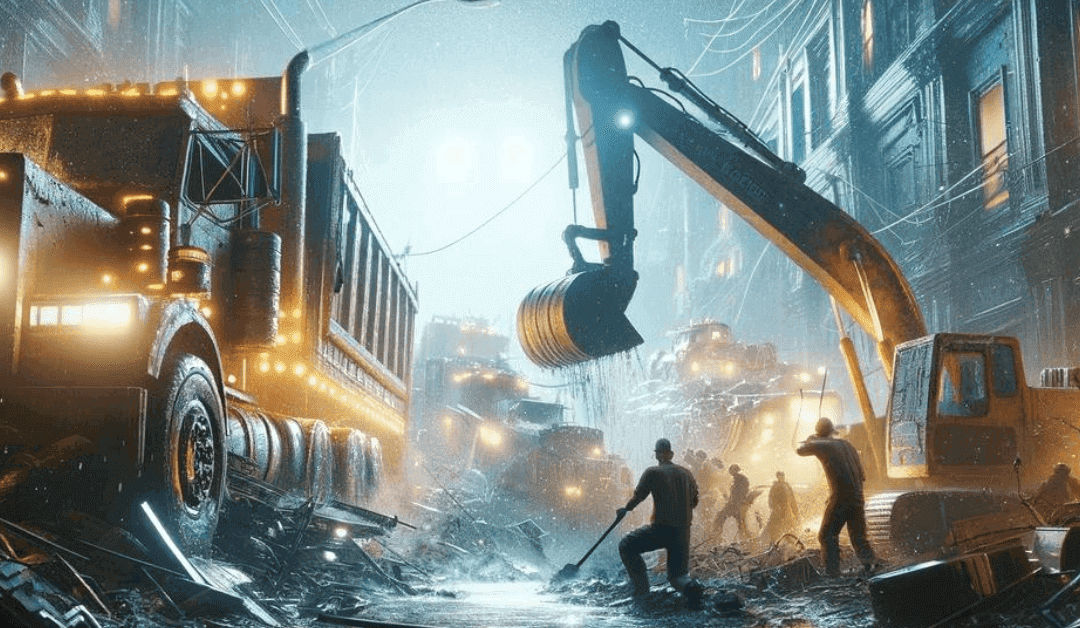


Wreckers: Unveiling the Heroes of Salvage Operations
In the world of maritime salvage, a group of unsung heroes play a crucial role in recovering and salvaging shipwrecks – the wreckers. These fearless individuals navigate treacherous waters, often in adverse conditions, to recover valuable cargo and vessels, all while upholding a rich and controversial history. In this piece, we will go deeply into the world of wreckers, examining their methods, history, and difficulties. Join us as we unravel the intriguing and often misunderstood world of wreckers.
What are Wreckers?
Wreckers are specialized vehicles designed to transport disabled or damaged vehicles and vessels. They are made to fit specific jobs and are available in various sizes and configurations. These versatile machines have the tools and equipment to handle emergencies efficiently.
The Origins of Wreckers
Wrecking, as a profession, dates back centuries, with its roots firmly embedded in the coastal communities of Europe and North America. During the age of exploration and colonization, shipwrecks were not uncommon, and the salvage of valuable cargo and materials became a lucrative endeavour. Wreckers emerged as skilled individuals who made it their business to rescue and recover shipwrecks.
The Early Days of Wrecking
In the early days, wreckers used rudimentary tools and techniques to salvage ships and cargo. They relied on local knowledge of treacherous coastlines, tides, and weather patterns to locate wrecks. Often, these operations were a communal effort, with entire villages coming together to salvage the spoils of a shipwreck.
The Controversial Reputation of Wreckers
Wreckers have long been viewed with suspicion and even disdain by some. The salvage operations were often seen as opportunistic and ruthless, with accusations of intentionally luring ships to their doom for financial gain. These allegations, although unproven in many cases, contributed to the tarnished reputation of wreckers.
Legal and Ethical Debates
The contentious nature of wrecking led to legal and ethical debates, resulting in various laws and regulations governing salvage operations. Many countries established salvage laws to prevent unscrupulous practices and ensure fair compensation for salvors and shipowners.
Types of Wreckers
- Light-Duty Wreckers
Light-duty wreckers are compact and versatile, mainly used for towing smaller vehicles like cars and motorcycles. They are common on city streets, ready to assist stranded motorists.
- Medium-Duty Wreckers
Medium-duty wreckers can handle small trucks and vans because they are more durable. They are essential for commercial towing services and roadside assistance.
- Heavy-Duty Wreckers
Heavy-duty wreckers are the giants of the wrecker world. They can tow large trucks, buses, and even ships. These machines require skilled operators due to the complexity of their tasks.
Towing and Recovery Services
Wreckers provide essential towing and recovery services, ensuring that vehicles involved in accidents or breakdowns are safely transported to repair facilities. This prevents traffic disruptions and ensures the safety of all road users.
Emergency Response
In emergencies, wreckers play a pivotal role in quickly clearing accident scenes. They help restore traffic flow, minimizing the impact on commuters and preventing secondary accidents.
Salvage Operations
One of the most challenging and critical roles of wreckers is salvage operations. They are called upon to recover sunken vessels, ensuring that valuable cargo and the environment are protected from potential harm.
Environmental Protection
Wreckers are not just about towing; they also contribute to environmental protection. They respond swiftly to oil spills, preventing ecological disasters and preserving fragile ecosystems.
Challenges Faced by Wreckers
Wreckers face several challenges, including adverse weather conditions, heavy traffic, and the need for continuous training and equipment maintenance. Overcoming these obstacles requires dedication and professionalism.
Advanced Technology in the Wrecker Industry
The wrecker industry has evolved significantly with the integration of advanced technology. GPS tracking, hydraulic systems, and sophisticated winches have made wrecker operations more efficient and precise.
Safety Measures
Safety is paramount in wrecker operations. Operators undergo rigorous training to safely handle diverse situations, protecting themselves and the vehicles they tow.
Wrecker Operators – Unsung Heroes
Wrecker operators are the unsung heroes of the road and sea. Their dedication to helping others in times of distress often goes unnoticed. They deserve our respect and appreciation.
The Environmental Impact
Wreckers protect the environment from potential disasters and contribute positively by responsibly recycling and disposing of damaged vehicles and vessels.
Frequently Asked Questions (FAQs)
What qualifications are required to become a wrecker operator?
To become a wrecker operator, one typically needs a commercial driver’s license (CDL) and specialized training in wrecker operations.
How do wreckers handle large ship salvage operations?
Heavy-duty wreckers have specialized equipment, including powerful winches and cranes, to handle large ship salvage operations.
Do wreckers only tow vehicles, or do they provide other services?
Wreckers provide a range of services, including emergency response, environmental protection, salvage operations, and towing.
Are wreckers available 24/7 for emergencies?
Many wrecker companies offer 24/7 emergency services to assist motorists and handle urgent situations.
What impact does advanced technology have on wrecker operations?
Advanced technology has improved the efficiency and precision of wrecker operations, making them safer and more effective.
Conclusion
In conclusion, wreckers are the unsung heroes who ensure the smooth functioning of our transportation systems. Their versatile services range from towing small cars to salvaging large vessels and protecting the environment. Let’s recognize and appreciate the invaluable role they play in our lives.